
Semiconductor Giants and Market Dynamics: From Storage Stock Rebound to SpaceX Bond Selloff
Keywords: semiconductor, storage, SpaceX, Elon Musk, market trend, Western Digital, Seagate, bond selloff
Introduction
The global semiconductor landscape has recently shown several divergent trends, reflecting both strong demand in some areas and high uncertainty in others. While storage giants like Seagate and Western Digital have seen significant stock gains, SpaceX—often associated with advanced chip use in aerospace—has experienced notable bond selloffs after Elon Musk's major moves. This article delves into these contrasting trends, analyzes their drivers, and reveals their implications for the broader semiconductor and technology markets. Visual evidence from market data further illustrates these developments.
Storage Sector Surges: Seagate and Western Digital Lead
The first notable trend comes from the data storage space, where Seagate Technology and Western Digital shares have risen substantially. As shown in the chart below, both companies exhibit a clear upward trajectory, reflecting strong investor confidence driven by rising demand for high-capacity storage solutions from cloud computing, AI, and data center expansion.
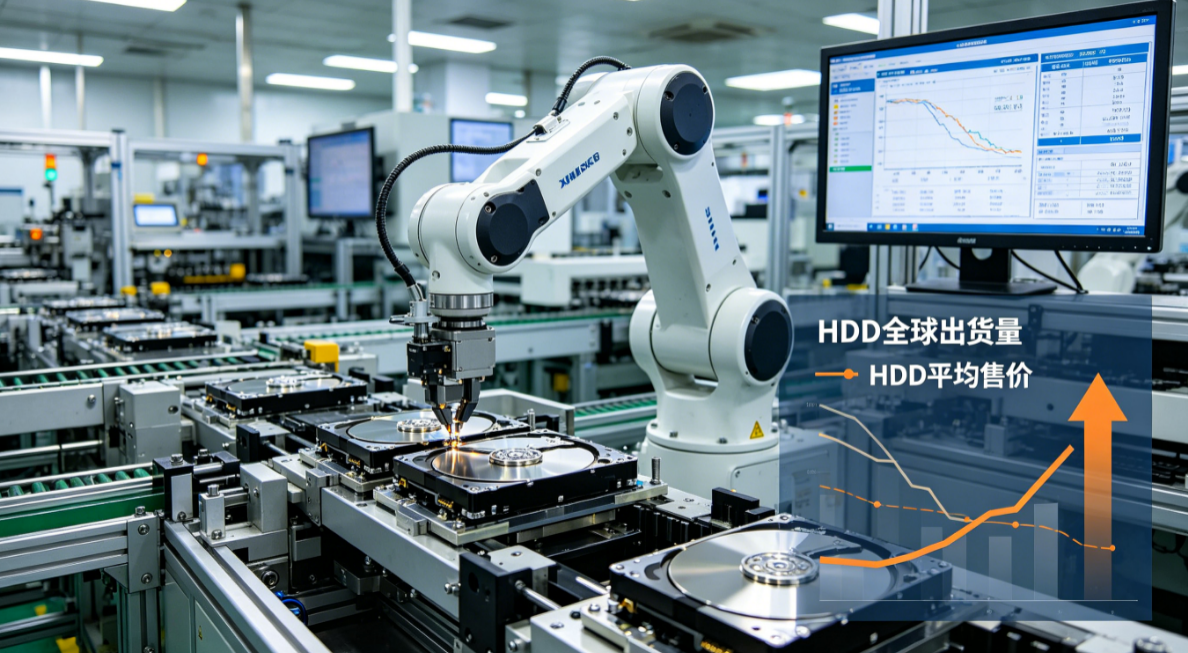
This rebound is no accident. The global shift towards AI workloads and large-scale data analytics has fueled robust demand for hard disk drives (HDDs) and solid-state drives (SSDs). Seagate, in particular, has leveraged its advanced Heat-Assisted Magnetic Recording (HAMR) technology to deliver higher-density drives, winning significant enterprise contracts. Meanwhile, Western Digital, with its dual product portfolio spanning HDDs and NAND flash, is well positioned to serve a broad range of end markets.
Analysts attribute the recent price rise to several catalysts: improving supply chain conditions, stabilization of NAND prices after a long slump, and forward guidance exceeding consensus estimates. More importantly, the storage stock rebound highlights the cyclicality of the semiconductor industry—downturns eventually yield to upturns, and those who position early are rewarded. For investors, the charts tell a story of momentum driven by fundamental strength, not just speculation.
SpaceX Bond Selloff: A Contrasting Signal from the Aerospace Frontier
While storage stocks surged, SpaceX's bond market experienced a different storyline. The company's debt securities saw significant selloffs coinciding with a major strategic move by Elon Musk—details still under scrutiny. The cover image below captures headlines attracting market attention.
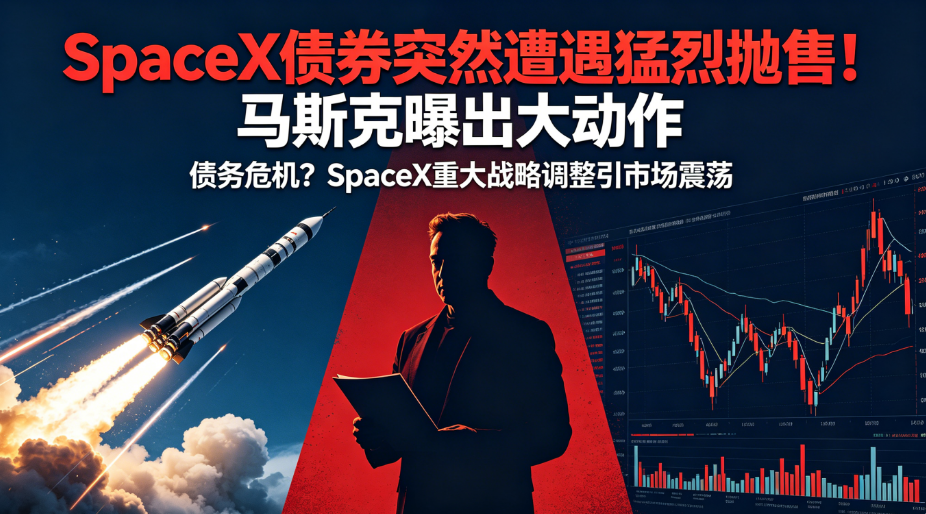
The selloff appears to stem from multiple factors. First, Musk's decision to reallocate resources to his other ventures, including X (formerly Twitter) and xAI, raised concerns about SpaceX's capital discipline. Bondholders, who prioritize predictable cash flows and strategic focus, reacted negatively to such distractions. Second, rising interest rates in the overall economy made high-risk debt instruments less attractive, pushing up SpaceX bond yields. Third, the company's heavy reliance on government contracts and its ambitious Starship program—though revolutionary—carries execution risks in the current environment.
Notably, the bond selloff does not necessarily imply deterioration in SpaceX's core business. The company continues to dominate the commercial launch market and has a strong order backlog. However, this event highlights capital market sensitivity to leadership actions and strategic shifts, especially for companies operating in capital-intensive, long-development-cycle industries.
Connecting the Dots: Implications for the Semiconductor Ecosystem
Though seemingly unrelated, both the storage stock rebound and SpaceX bond selloff reflect deeper currents in the semiconductor value chain. Seagate and Western Digital are direct beneficiaries of silicon demand—their storage products contain controllers, memory chips, and other semiconductor components. The rebound indicates healthy end-market demand for these chips, reinforcing the narrative of a broader semiconductor upcycle.
On the other hand, SpaceX is a major consumer of specialized semiconductors for its satellites, rockets, and ground equipment. If the bond selloff or Musk's strategic adjustments lead to a slowdown in capital expenditure, it could dampen orders for certain high-reliability chips. However, this impact may be localized. Compared to cloud computing and mobile devices, the aerospace sector accounts for only a small fraction of total semiconductor demand.
From an investment perspective, this divergence offers a lesson: not all sectors move in sync. Identifying sub-sectors with strong structural tailwinds (e.g., data storage) within the AI growth narrative can yield excess returns even when broader market sentiment is mixed. The SpaceX event also serves as a reminder