

Title: Semiconductor Industry: Strategic Mineral Resources and Market Dynamics
Keywords: semiconductor, mineral resources, market analysis, supply chain, technology
Introduction
The semiconductor industry stands as the backbone of modern technology, powering everything from smartphones to artificial intelligence systems. At its core, this industry relies on a complex web of raw materials and market forces that determine its trajectory. Understanding the interplay between critical mineral resources and market analysis is essential for stakeholders seeking to navigate the volatile landscape of semiconductor production. This article delves into the strategic importance of mineral resources in semiconductor manufacturing and provides a comprehensive market analysis, shedding light on the challenges and opportunities that define this sector.
Critical Mineral Resources: The Foundation of Semiconductor Manufacturing
Semiconductors are not merely silicon-based devices; they depend on a diverse range of minerals and rare earth elements. Silicon, derived from quartz, remains the primary substrate, but advanced chips require gallium, germanium, indium, and rare earth metals for doping, wiring, and packaging. These materials are often sourced from geopolitically sensitive regions, making supply chain resilience a top priority.
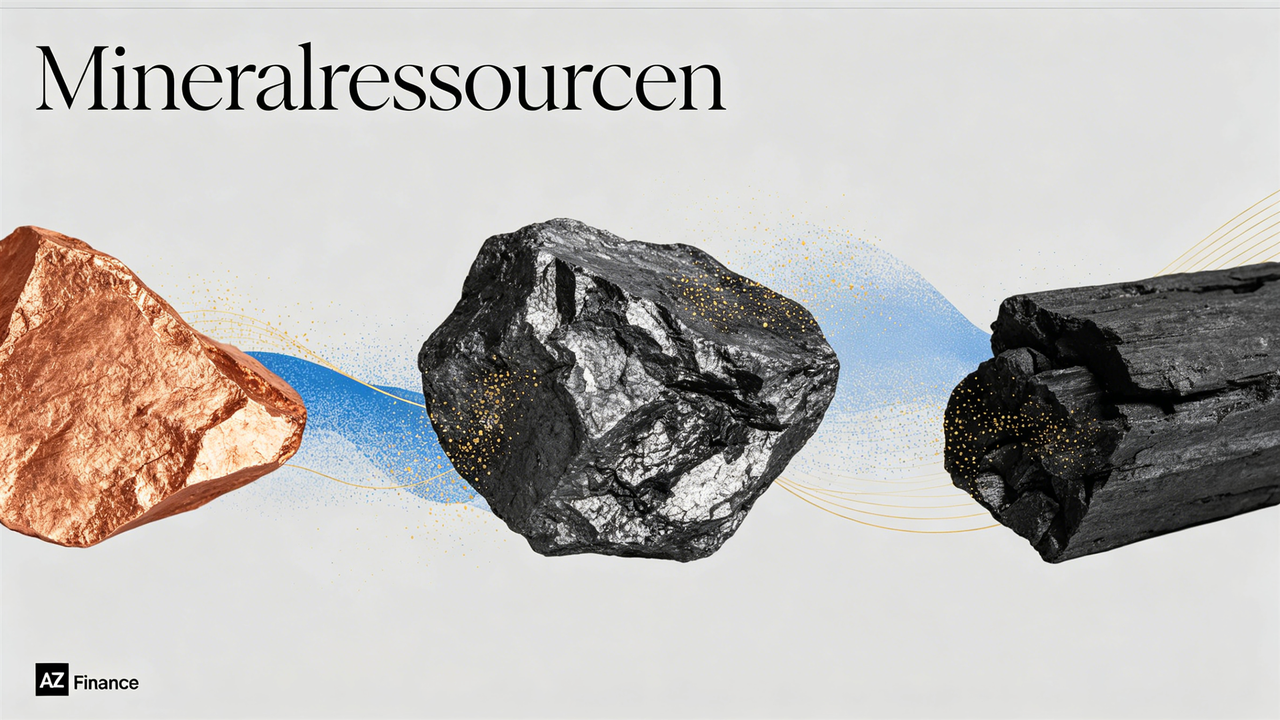
The image above, titled "Allianz Mineral Resources – Mineral Resources," illustrates the global distribution and extraction dynamics of these critical inputs. For instance, gallium is primarily produced as a byproduct of bauxite refining in China, which controls over 80% of global supply. Similarly, indium, essential for transparent conductive coatings in displays and touchscreens, is concentrated in China, South Korea, and Japan. The concentration of these resources poses significant risks: any disruption—whether from trade conflicts, natural disasters, or regulatory changes—can cascade into chip shortages.
Beyond gallium and indium, platinum group metals (PGMs) such as palladium and platinum are used in semiconductor packaging and sensors. The mining of these metals often involves high environmental costs and limited geographical diversity. Efforts to recycle and substitute these materials are underway, but the industry’s growth continues to outpace sustainable sourcing initiatives. Policymakers and companies are now investing in domestic mining, stockpiling, and alternative materials to mitigate dependency.
Semiconductor Market Analysis: Trends, Drivers, and Risks
The semiconductor market is characterized by cyclicality, rapid innovation, and intense competition. Recent years have witnessed unprecedented demand driven by digital transformation, electric vehicles, 5G infrastructure, and AI applications. However, this demand has been met with supply constraints, leading to price volatility and extended lead times. The second image, "Allianz Market Analysis – Market Analysis Presentation," provides insight into the macroeconomic factors shaping the industry.

According to industry reports, global semiconductor sales exceeded $600 billion in 2025, with memory chips and logic devices leading growth. The market is increasingly bifurcated: high-performance chips for data centers and AI command premium prices, while mature-node chips for automotive and industrial applications face capacity shortages. Geographic shifts are also notable—the United States, Europe, and Japan are investing heavily in domestic fabrication plants (fabs) through initiatives like the CHIPS Act, aiming to reduce reliance on East Asian manufacturing hubs.
The market analysis diagram from Allianz likely highlights key drivers such as technology node transitions, geopolitical tensions, and inventory cycles. For example, the shift from 5nm to 3nm and beyond requires immense R&D expenditure and specialized equipment from firms like ASML. Meanwhile, export controls on advanced chips and equipment to certain countries have reshaped trade flows, creating new opportunities for regional ecosystems.
Risk factors include economic downturns that dampen consumer demand, oversupply from aggressive capacity expansion, and the increasing carbon footprint of fabs. Nevertheless, the long-term outlook remains robust, with emerging technologies like autonomous vehicles, edge computing, and quantum computing poised to fuel further growth.
Conclusion
The semiconductor industry’s vitality hinges on two interconnected pillars: secure access to critical mineral resources and astute market analysis. As the world accelerates toward an increasingly digital future, the strategic management of raw materials and the ability to forecast market trends will determine which players thrive. The two images referenced in this article underscore the complexity of the global semiconductor ecosystem—from the extraction of minerals to the presentation of market data. Policymakers, investors, and industry leaders must collaborate to build resilient supply chains, promote recycling and innovation, and ensure that the semiconductor industry continues to drive technological progress in a sustainable and equitable manner. Only through a holistic understanding of both resource geography and market dynamics can the industry weather future storms and capitalize on emerging opportunities.

