

The Semiconductor Renaissance: Investment Opportunities and Allianz’s Strategic Asset Allocation
Abstract
The global semiconductor industry is undergoing a profound transformation, driven by geopolitical shifts, technological breakthroughs, and surging demand from artificial intelligence, electric vehicles, and 5G/6G communications. This article examines the current landscape of the semiconductor ecosystem, explores key investment themes, and analyzes how institutional investors like Allianz are adapting their asset allocation strategies to capture value in this critical sector. By combining industry analysis with a case study of Allianz’s award-winning investment approach, we provide a comprehensive framework for understanding the semiconductor renaissance.
Keywords: Semiconductor industry, asset allocation, Allianz, diversification, investment strategy, technology cycle
Introduction
Few industries are as foundational to modern civilization as the semiconductor sector. Often called the “oil of the digital age,” semiconductors power everything from smartphones and data centers to autonomous vehicles and medical devices. Yet the industry is currently navigating a perfect storm of supply chain reconfiguration, export controls, and unprecedented demand for advanced chips. For long-term investors, this volatility presents both risks and extraordinary opportunities.
This article explores the semiconductor industry’s structural evolution, identifies promising sub-sectors, and examines how Allianz—one of the world’s leading asset managers—approaches this complex asset class. Through its award-winning investment framework, Allianz demonstrates how disciplined diversification and thematic conviction can generate alpha in technology-driven markets.
The Semiconductor Ecosystem: A Structural Shift
The semiconductor value chain has traditionally been characterized by a global division of labor: chip design concentrated in the United States, manufacturing in Taiwan and South Korea, and packaging in Southeast Asia. However, recent geopolitical tensions and supply chain disruptions have accelerated a trend toward regionalization and “friend-shoring.”
Key Drivers of Change
-
Geopolitical Decoupling: Export controls on advanced semiconductor equipment and chipsets have reshaped trade flows. The U.S. CHIPS Act and the European Chips Act are pouring hundreds of billions into domestic fabrication facilities, creating new investment opportunities in construction equipment, cleanroom technology, and specialized materials.
-
AI Demand Explosion: Generative AI models require massive computational power, driving demand for high-bandwidth memory (HBM), advanced logic chips (e.g., NVIDIA’s H100/B200), and networking semiconductors. The AI semiconductor market is projected to grow at a compound annual rate exceeding 20% through 2030.
-
Automotive Electrification: Modern electric vehicles contain 2,000–3,000 semiconductors, more than double the content in conventional cars. Power semiconductors, particularly silicon carbide (SiC) devices, are experiencing exponential growth.
-
Advanced Packaging: Moore’s Law is slowing, but chiplet architecture and 3D stacking are extending performance gains. Companies specializing in hybrid bonding, interposers, and thermal management are becoming critical.
Sub-Sector Investment Themes
| Sub-Sector | Growth Catalyst | Risk Factor |
|---|---|---|
| Memory (HBM, DDR5) | AI training clusters | Cyclical oversupply |
| Logic (7nm, 5nm, 3nm) | Smartphone/PC upgrade cycle | Capital intensity |
| Analog & Power | EV/industrial demand | Commoditization |
| Design IP & EDA | Chip complexity | Royalty volatility |
| Manufacturing Equipment | Fab construction cycle | Export restrictions |
Allianz: A Model of Thematic Diversification
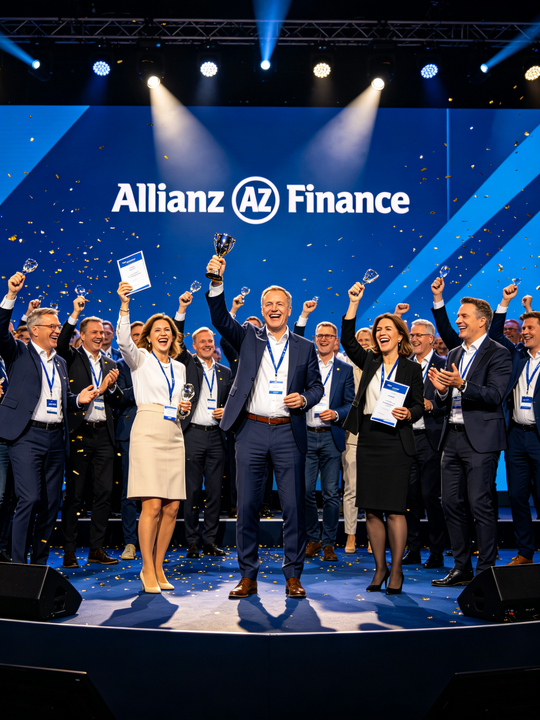
Allianz has long been recognized for its sophisticated approach to multi-asset investing. In 2023, the firm was honored with the “Best Asset Manager for Thematic Investing” award at the International Investment Awards, reflecting its ability to identify secular trends before they become mainstream.
Figure 1: Allianz receives the award for excellence in thematic investing, recognizing its disciplined approach to capturing long-term structural growth.
How Allianz Approaches Semiconductors
Allianz’s semiconductor allocation is not a simple bet on the sector ETF. Instead, the firm employs a four-pillar framework:
- Thematic Screening: Identify megatrends (e.g., AI adoption, green energy, digital sovereignty) that will require semiconductor enablers.
- Supply Chain Mapping: Analyze the entire value chain—from raw silicon wafers to final assembly—to pinpoint bottlenecks and moats.
- Valuation Discipline: Use a proprietary discounted cash flow model that accounts for cyclicality, adjusting for capital expenditure intensity and political risk.
- Dynamic Hedging: Employ options and currency hedges to protect against Taiwan Strait tensions, export bans, and tariff changes.
Asset Class Diversification in Practice
Allianz’s multi-asset portfolios typically include semiconductors across several asset classes:
- Public Equities: Individual stocks (e.g., TSMC, ASML, Samsung) and thematic ETFs.
- Private Equity: Direct stakes in fabless startups and packaging companies through Allianz X.
- Fixed Income: Corporate bonds of investment-grade semiconductor firms.
- Real Assets: Infrastructure funds investing in data centers that house semiconductor-powered servers.
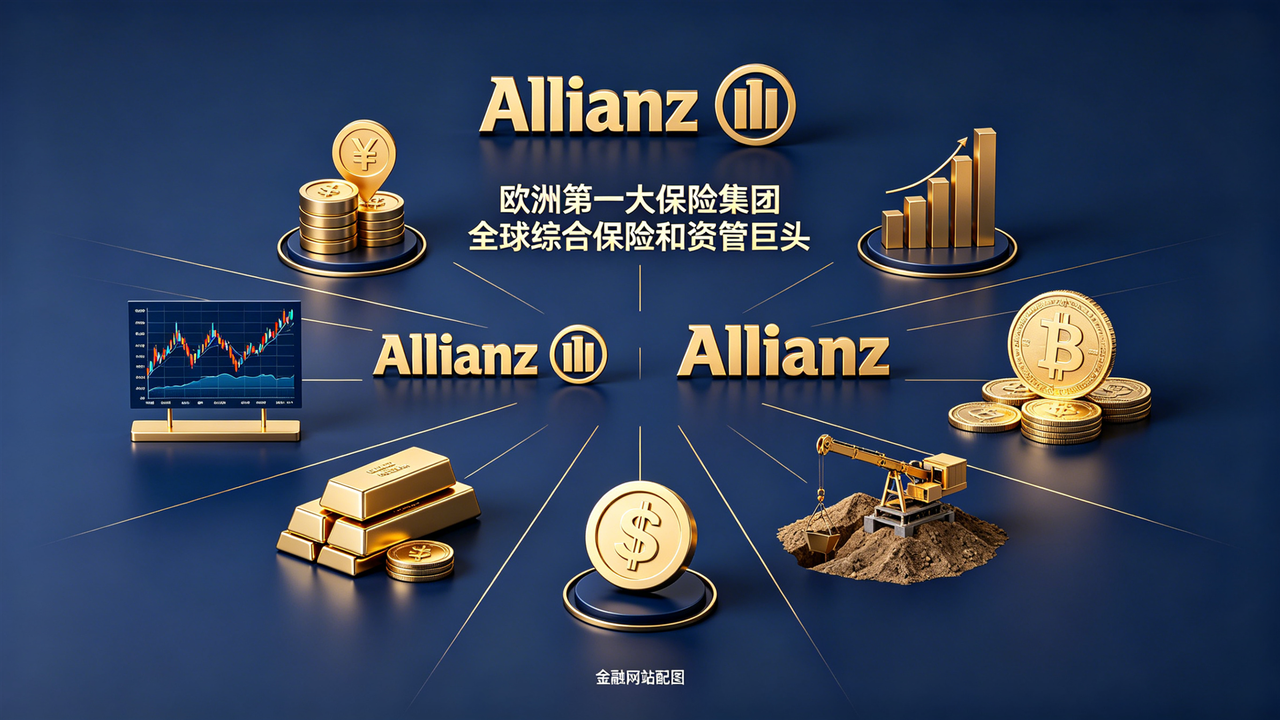 Figure 2: Allianz’s asset class diversification framework for technology investments, illustrating the multi-layered approach to capturing semiconductor value.
Risks and Mitigation Strategies
Investing in semiconductors is inherently volatile. Allianz addresses key risks through:
- Cyclicality Risk: Use of rolling valuation models that avoid buying at cycle peaks; incorporate leading indicators like chip inventory ratios.
- Geopolitical Risk: Geographic diversification across Taiwan, South Korea, Europe, and North America; avoid overconcentration in any single jurisdiction.
- Technology Risk: Active monitoring of process node transitions; invest in enabling technologies (e.g., lithography, metrology) less subject to disruption.
- Regulatory Risk: Engagement with policymakers to understand CHIPS Act subsidy dynamics and export control timelines.
Conclusion
The semiconductor industry stands at an inflection point. The combination of AI-driven demand, geopolitical realignment, and technological innovation creates a fertile environment for active, thematic investors. Allianz’s award-winning approach—combining deep sector expertise with disciplined asset allocation—offers a replicable model for capturing this opportunity.
For investors seeking exposure, the message is clear: semiconductors are no longer a cyclical niche but a structural necessity. By diversifying across asset classes, geographies, and sub-sectors, and by partnering with skilled managers like Allianz, one can navigate the complexity and reap the rewards of the semiconductor renaissance.
Disclaimer: This article is for informational purposes only and does not constitute investment advice. Past performance is not indicative of future results. Allianz is a registered trademark. All data as of April 2026.

