


The Semiconductor Industry: Navigating Capital Structure and Financial Strategy for Sustainable Growth
Keywords: semiconductor, capital structure, debt-equity solutions, financial strategy, growth, capital intensity, fab investments, R&D funding
Introduction
The semiconductor industry stands as the backbone of modern technological civilization, powering everything from smartphones and cloud computing to autonomous vehicles and artificial intelligence. Yet beneath the surface of innovation and market dominance lies a critical, often overlooked dimension: finance. Semiconductor manufacturing is among the most capital-intensive sectors in the global economy. Building a single advanced fabrication plant (fab) can cost upwards of $10–20 billion, while R&D expenditures for next-generation process nodes routinely consume 15–20% of revenue. In this high-stakes environment, the choice of funding sources—whether debt, equity, or hybrid instruments—can determine a company’s ability to compete, survive, and lead. This article explores the financial dynamics that shape semiconductor firms, examining how capital structure decisions and strategic financial planning fuel innovation and long-term growth.
The Capital-Intensive Nature of Semiconductor Manufacturing
Unlike many software-driven industries, semiconductor production demands immense upfront investment in physical assets. A state-of-the-art 3nm or 2nm fab requires specialized lithography equipment, extreme ultraviolet (EUV) machines costing hundreds of millions each, and years of construction. Moreover, the industry’s relentless pursuit of Moore’s Law forces companies to refresh their equipment every few years to stay competitive. For example, TSMC and Samsung spend over $30 billion annually on capital expenditures, while Intel has committed to building multiple fabs across the U.S. and Europe.
This capital intensity creates a unique financial challenge: how to raise and allocate funds without diluting shareholder value excessively or burdening the balance sheet with crippling debt. The answer lies in a carefully calibrated mix of debt and equity—what finance professionals call the capital structure. A company’s capital structure not only affects its cost of capital but also signals its risk profile to investors, suppliers, and customers.
Debt vs. Equity: Tailoring Financing Solutions for Semiconductor Firms
Semiconductor companies have access to a broad range of financing solutions, each with distinct advantages and trade-offs:
Debt financing (bank loans, corporate bonds) offers tax-deductible interest and allows founders and existing shareholders to retain control. However, debt requires predictable cash flows to service interest and principal. For established players with stable revenue streams—like Qualcomm, Broadcom, or Micron—debt is often the preferred tool for expansion or share buybacks. In contrast, smaller or cyclical firms may find debt risky during downturns when chip demand falls.
Equity financing (public offerings, private placements, venture capital) provides permanent capital without repayment obligations. This is particularly attractive for startups and young design houses that have high growth potential but no positive earnings. However, equity dilutes ownership and can depress earnings per share. Venture capital and private equity have been especially active in funding semiconductor startups focused on AI chips, photonics, and GaN (gallium nitride) technologies.
Hybrid instruments such as convertible bonds or preferred shares offer a middle ground. For example, convertible bonds allow investors to convert debt into equity if the company’s stock price rises, giving issuers lower coupon rates while providing upside potential to lenders. Many wafer foundries and fables companies use convertible bonds to fund major capacity expansions.
The optimal mix varies across the industry life cycle. A mature, cash-rich firm like NVIDIA might use debt aggressively to fund buybacks, while a young R&D-intensive company like SiFive relies on multiple rounds of venture funding. The key is to match the financial instrument’s risk-return profile with the firm’s stage of development and earnings volatility.
Figure 1: Debt-equity solutions help semiconductor firms balance leverage and control while funding high-cost fabrication and R&D initiatives.
Strategic Financial Planning for Long-Term Competitiveness
Beyond the choice between debt and equity, semiconductor companies must adopt a holistic financial strategy that aligns with their technology roadmap and market positioning. Key components include:
Capital expenditure (CapEx) planning must be dynamic. Because fab construction takes three to five years, companies must forecast demand cycles far in advance. Overinvestment in capacity leads to write-downs (as seen during the 2018–2019 downturn), while underinvestment creates supply shortages and lost market share. Financial strategy should include real options thinking—the ability to pause or accelerate projects based on market signals.
R&D funding is equally critical. Semiconductor innovation is non-linear; a breakthrough in chip architecture (e.g., chiplets, 3D stacking) can require years of sustained investment before yielding commercial product. A prudent financial strategy reserves a portion of revenue specifically for long-term research, independent of profit pressures. Companies like Intel and AMD have historically maintained R&D spending above 15–20% of sales, even during recessions.
Working capital management also plays a vital role. The semiconductor supply chain is notoriously long and volatile. Holding inventory buffers against disruption but ties up cash. Smart financial strategies incorporate just-in-time inventory, supply chain financing, and hedging against currency and commodity price risks.
Growth financing may come through strategic mergers and acquisitions. The industry has seen a wave of consolidation—AMD acquiring Xilinx, NVIDIA attempting to buy Arm—as companies seek to broaden their product portfolios and achieve scale. Financing these deals requires careful evaluation of debt capacity and the cost of equity issuance.
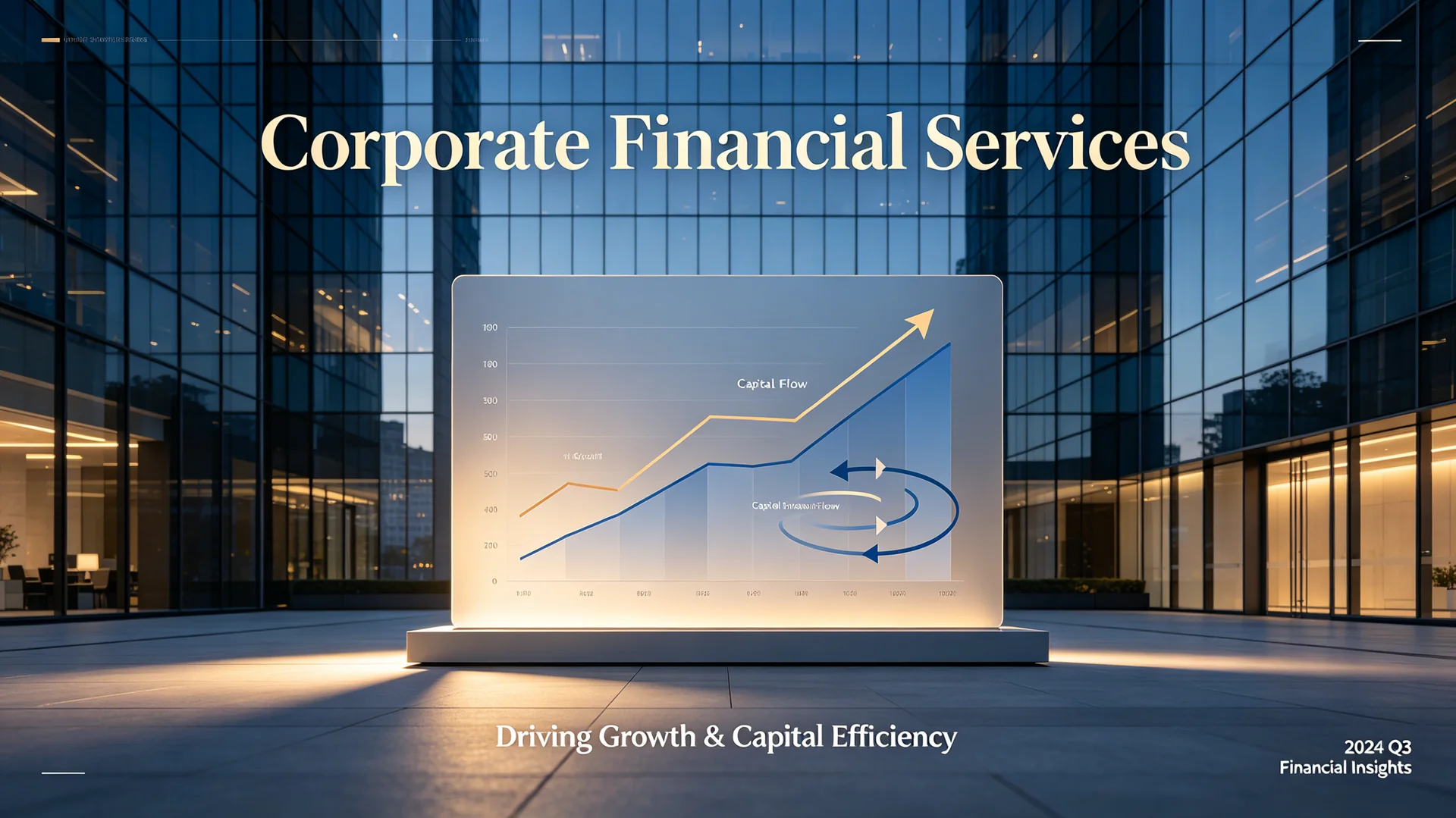
Figure 2: Strategic financial planning enables semiconductor companies to fund growth initiatives while maintaining resilience against market volatility.
Conclusion
The semiconductor industry is at a pivotal juncture. Demand for chips continues to explode, driven by AI, 5G, electric vehicles, and Internet of Things. Yet the technology’s increasing complexity and geopolitical tensions over semiconductor supply chains mean that capital efficiency and strategic financial planning are more important than ever. Companies that master the art of balancing debt and equity, aligning CapEx with long-term technology roadmaps, and managing working capital prudently will be best positioned to lead the next wave of innovation.
Investors, too, must pay attention to the financial architecture of semiconductor firms, beyond just technical specifications and market share. A company with a well-structured balance sheet and a clear financial strategy is not only a better investment but also a more resilient partner in the global semiconductor ecosystem. As the industry enters an era of unprecedented capital requirements, the marriage of engineering excellence and financial sophistication will define the winners.
Ultimately, the success of semiconductor companies is not solely a function of how many transistors they can pack onto a chip, but also how wisely they manage the capital that makes those chips possible.

