


Semiconductor Industry: Navigating Capital Structure Optimization and Investment Banking Dynamics
Abstract
The semiconductor industry stands as the bedrock of modern technological advancement, powering everything from smartphones to artificial intelligence. As the sector undergoes rapid transformation driven by geopolitical tensions, supply chain disruptions, and exponential demand for advanced chips, semiconductor companies face unprecedented challenges in optimizing their capital structures and securing strategic financing. This article delves into the intricate relationship between capital structure optimization and investment banking within the semiconductor ecosystem. It examines how leading firms leverage debt-equity balancing, strategic mergers and acquisitions, and innovative fundraising mechanisms to sustain growth and competitiveness. Through analysis of current trends and case studies, the article provides a comprehensive framework for understanding the financial engineering that underpins the semiconductor industry's resilience and future trajectory.
Introduction
The semiconductor industry is not merely a manufacturing sector; it is the engine of the Fourth Industrial Revolution. With global semiconductor sales exceeding $600 billion in 2025 and projected to reach $1 trillion by 2030, the industry's financial architecture has become a subject of intense scrutiny. Semiconductor companies operate at the intersection of massive capital expenditure requirements, volatile demand cycles, and rapid technological obsolescence. These characteristics necessitate sophisticated capital management strategies that go beyond traditional corporate finance.
In recent years, the capital structure of semiconductor firms has evolved significantly, driven by the need to fund multi-billion-dollar fabrication facilities (fabs), research and development (R&D) for cutting-edge nodes, and strategic acquisitions to capture new markets. Simultaneously, investment banks have played a pivotal role in facilitating capital raising through equity offerings, debt issuances, and mergers and acquisitions (M&A) advisory. Understanding how these two dimensions interact is critical for investors, executives, and policymakers alike.
This article explores the key aspects of capital structure optimization in the semiconductor industry and the indispensable role of investment banking in shaping the sector's financial landscape. It begins with an overview of the semiconductor industry's unique financial challenges, followed by an in-depth analysis of capital structure optimization strategies, and culminates with a discussion of investment banking services and future trends.
The Unique Financial Challenges of the Semiconductor Industry
Semiconductor companies operate in a capital-intensive environment where the cost of building a leading-edge fab can exceed $20 billion. Moreover, the industry's product life cycles are short—often only two to three years for logic chips—requiring continuous reinvestment in R&D. According to industry data, leading firms allocate 15% to 25% of revenue to R&D, a ratio unmatched in most other manufacturing sectors.
Furthermore, the semiconductor supply chain is highly cyclical, with periods of oversupply followed by severe shortages. This volatility creates cash flow unpredictability, making it challenging for firms to maintain optimal leverage ratios. For example, during the 2020-2022 global chip shortage, many semiconductor companies experienced windfall profits, leading to deleveraging and share buybacks. However, the subsequent correction in 2023 forced some firms to resume borrowing to sustain capital expenditures.
Another critical factor is the geopolitical dimension. Export controls, chip sanctions, and the push for semiconductor self-sufficiency in regions like the United States, Europe, and Japan have reshaped the competitive landscape. Companies must now navigate political risks while securing financing for domestic and overseas expansion.
Given these complexities, semiconductor firms must adopt a dynamic and strategic approach to capital structure optimization.

Figure 1: Capital structure optimization framework for semiconductor companies, illustrating the balance between debt, equity, and retained earnings.
Capital Structure Optimization: Strategies and Best Practices
Capital structure optimization involves determining the right mix of debt, equity, and hybrid instruments to minimize the cost of capital while maximizing firm value. For semiconductor companies, this optimization must account for industry-specific risks and growth opportunities.
1. Balancing Debt and Equity
Semiconductor firms typically employ moderate leverage relative to other capital-intensive industries. High growth and volatile earnings often lead management to prefer equity financing for major projects to avoid the risk of debt service burdens during downturns. However, debt offers tax advantages and can enhance returns on equity when used judiciously.
A common practice is to use senior secured bonds or convertible notes for specific projects such as fab construction, while maintaining a net debt-to-EBITDA ratio of 1.0x to 2.0x. For example, Taiwan Semiconductor Manufacturing Company (TSMC) has historically maintained a debt ratio below 30%, relying more on retained earnings and equity offerings to fund its massive expansion plans.
2. Strategic Use of Hybrid Instruments
Convertible bonds have gained popularity among semiconductor companies, especially in the United States and Asia. They offer lower coupon rates compared to straight debt, and conversion to equity can be timed to coincide with stock price appreciation. This structure is particularly attractive for high-growth firms expecting significant valuation increases.
In addition, preferred equity and mezzanine financing are sometimes used for special situations, such as spin-offs or joint ventures. These instruments allow companies to raise capital without diluting common shareholders excessively.
3. Dividend Policy and Share Buybacks
Semiconductor companies with stable cash flows and mature product lines often return capital to shareholders through dividends and buybacks. However, during periods of aggressive investment, management may reduce or suspend such programs to preserve liquidity. For instance, Intel suspended its dividend in 2024 to redirect funds toward its foundry expansion.
The decision to pay dividends or repurchase shares is a critical component of capital structure optimization, as it signals management's confidence in future earnings and affects the company's cost of equity.
4. Dynamic Capital Management in Response to Market Conditions
Leading semiconductor firms employ dynamic capital allocation frameworks that adjust leverage based on market cycles. During boom times, they may accumulate cash reserves or reduce debt; during downturns, they issue debt or equity to finance counter-cyclical investments.
This approach requires sophisticated financial modeling and risk management. For example, NVIDIA's capital structure has evolved from being debt-heavy in its early years to nearly debt-free today, reflecting its transition from a graphics card maker to a dominant player in AI chips. The company's strong free cash flow generation allows it to fund R&D and acquisitions internally.
The Role of Investment Banking in Semiconductor Capital Raising
Investment banks serve as critical intermediaries in the semiconductor industry, providing advisory services for capital raising, M&A, and risk management. Their expertise is indispensable for navigating the complex financial and regulatory landscape.
1. Equity and Debt Underwriting
When semiconductor companies need to raise large amounts of capital, they turn to investment banks for initial public offerings (IPOs), follow-on offerings, and debt issuances. The semiconductor sector has seen a surge in IPOs in recent years, driven by the spinoff of divisions and the emergence of specialized chip design firms.
For example, Arm Holdings' $4.87 billion IPO in 2023 was underwritten by a syndicate led by major investment banks. The process involved extensive valuation analysis, roadshows, and price stabilization—a classic demonstration of investment banking prowess.
Similarly, debt issuance often requires structuring that matches the company's credit profile with investor appetite. Investment banks advise on covenant packages, maturity profiles, and interest rate hedging.
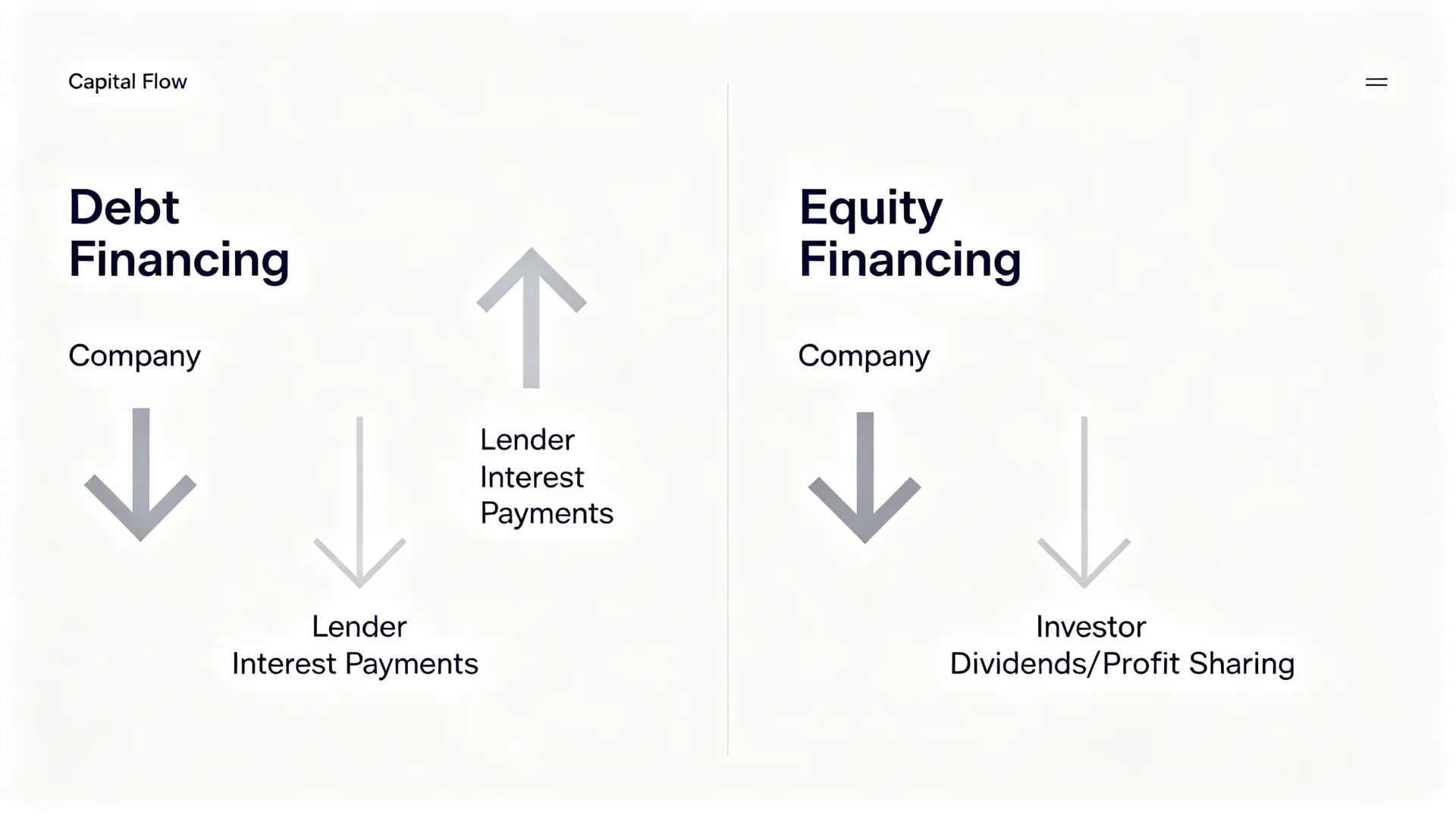
Figure 2: Overview of investment banking support for semiconductor companies, including equity underwriting, debt financing, and M&A advisory.
2. Mergers and Acquisitions Advisory
M&A is a cornerstone of semiconductor industry strategy, enabling companies to acquire technology, talent, and market access. Investment banks are crucial in identifying targets, conducting due diligence, valuation, and negotiating terms.
Notable recent deals include AMD's acquisition of Xilinx ($35 billion) and Broadcom's acquisition of VMware ($61 billion). These transactions required sophisticated financial and regulatory analysis, including cross-border considerations and antitrust approvals.
Investment banks also assist with divestitures, spin-offs, and carve-outs. For instance, Intel's decision to spin off its Mobileye self-driving unit as a separate public company involved advisory from multiple banks to ensure optimal valuation and investor reception.
3. Structured Finance and Risk Management
Semiconductor companies often face currency, interest rate, and commodity price risks. Investment banks provide derivative products and hedging strategies to mitigate these risks. Additionally, project finance for large-scale fab construction may involve bespoke structures like export credit agency financing or multilateral development bank support.
4. Strategic Advisory and Capital Allocation
Beyond transaction execution, investment banks offer strategic advisory on capital allocation, dividend policy, and balance sheet optimization. This advice is particularly valuable during periods of disruption, such as the shift to AI computing or the reshoring of semiconductor manufacturing.
For emerging semiconductor startups, boutique investment banks often provide bridge financing, convertible notes, and IPO preparation guidance, filling a gap left by larger institutions.
Case Studies and Emerging Trends
Case Study 1: TSMC's Financing Strategy
TSMC, the world's largest semiconductor foundry, has consistently maintained a strong balance sheet with low leverage. However, to fund its $100 billion expansion plan for 3nm and 2nm nodes, the company issued a series of global depositary receipts (GDRs) and secured long-term loans from international banks. The use of GDRs allowed TSMC to tap international equity markets without diluting its Taiwan-listed shares excessively, demonstrating innovative capital raising.
Case Study 2: Intel's Transformation and Capital Restructuring
Intel's struggle to regain manufacturing leadership has led to significant capital structure changes. The company increased debt from $25 billion in 2021 to over $50 billion in 2024 to finance its foundry buildout. It also spun off its Mobileye unit and considered divesting its Altera business. Investment banks played a key role in advising on these complex transactions, including debt refinancing and equity issuance.
Emerging Trends
- Green Financing: As semiconductor manufacturing becomes more energy-intensive, companies are issuing green bonds to fund sustainable practices. For example, Samsung Electronics issued $1.5 billion in green bonds in 2025 for its eco-friendly fabs.
- Private Credit and Direct Lending: Specialized funds and private credit firms are increasingly providing capital for semiconductor projects, offering flexible terms that traditional banks cannot match.
- Government Subsidies and Chips Acts: The U.S. CHIPS Act and similar initiatives in Europe, Japan, and India provide substantial grants and tax incentives, affecting capital structure decisions. Companies must balance government funding with private capital to optimize overall costs.
- Tokenization and Digital Assets: Some startups are exploring tokenized equity or debt offerings through blockchain platforms, though regulatory hurdles remain.
Future Outlook
The semiconductor industry is poised for continued growth, driven by AI, autonomous vehicles, and the Internet of Things. However, this growth will require massive capital investments, estimated at over $500 billion globally in the next five years. Capital structure optimization will become even more critical as companies juggle multiple funding sources: internal cash flows, debt markets, equity offerings, government grants, and private investments.
Investment banks will need to evolve, offering integrated solutions that blend traditional underwriting with venture capital-like support for startups. The rise of semiconductor-focused investment funds and special purpose acquisition companies (SPACs) will also reshape the financing landscape.
Furthermore, geopolitical factors will continue to influence capital flows. Companies establishing fabs in the United States or Europe may receive preferential financing terms from local governments, while those in Asia may face higher costs due to trade barriers.
Conclusion
The semiconductor industry's capital structure optimization is a multifaceted challenge that requires a delicate balance between growth investments, financial stability, and shareholder returns. By leveraging debt judiciously, employing hybrid instruments, and maintaining dynamic capital allocation, firms can navigate the industry's cyclical and structural risks.
Investment banks remain indispensable partners, providing the expertise and networks necessary for efficient capital raising, M&A execution, and risk management. As the semiconductor ecosystem expands into new applications and geographies, the synergy between corporate finance and investment banking will become even more vital.
Ultimately, the companies that succeed in this fast-paced environment will be those that treat capital structure not as a static target, but as a strategic tool for building long-term competitive advantage. The images of capital structure optimization and investment banking capital raising underscore the dual pillars that support the semiconductor industry's future: prudent financial engineering and innovative financing mechanisms.
本文基于截至2026年4月的公开数据和行业分析撰写,不构成投资建议。

