
Title: SpaceX IPO: A Turning Point for Capital Markets and the Startup Ecosystem
Introduction
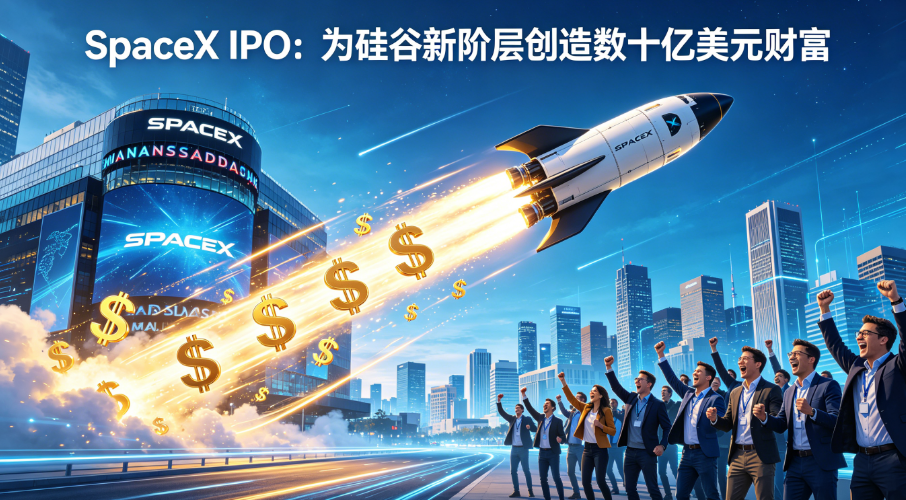
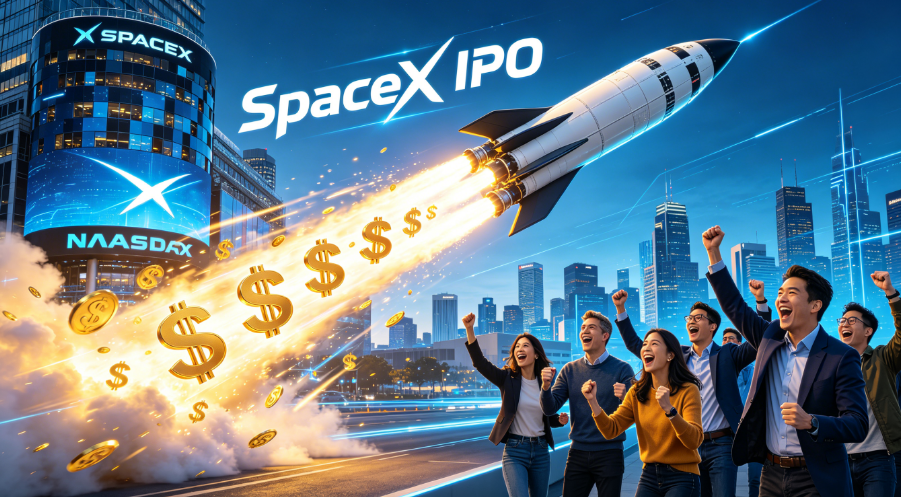
SpaceX, the rocket, satellite, and artificial intelligence company led by Elon Musk, is about to become one of the historic events that generates immense wealth for a lucky few retail investors. But beyond the billion-dollar profits, this deal is reshaping the expectations of the entire capital market, from startups, venture capital funds, to speculators dominating the private company equity market. The valuations of OpenAI and Anthropic, leading AI developers, will also be determined by the market's reaction to SpaceX.
Historic Change
SpaceX raised 75 billion dollars at a valuation of approximately 1.8 trillion dollars, making it the largest IPO in Wall Street history. The company's market value surpassed even Musk's own electric vehicle maker Tesla. The offering attracted overwhelming interest, with orders from institutional investors of 10 billion dollars or more each, and retail investor orders totaling over 100 billion dollars.
"The challenge of the private market has been capital allocation," said Matt Witheler, head of late-stage growth at Wellington Management. "SpaceX will be the first case of large-scale capital allocation to an illiquid investor group, meaning money will flow back into the private company ecosystem."
Impact on Private Markets and Major Investors
SpaceX's success in the public market will send ripples through the private market. Major investors such as Valor Equity Partners, which invested in 2008, hold approximately 4% of shares worth nearly 700 billion dollars. Founders Fund led by Peter Thiel holds 3% of shares worth over 500 billion dollars. Sequoia Capital will gain hundreds of billions of dollars from its roughly 1.5% stake.
This success also drives a rapid increase in investment in space startups. PitchBook reports that in 2015, venture capital investment in space was only 260 million dollars, but this year through mid-May, it has reached 5.1 billion dollars.
The New Wave of SpaceX Spinoffs
After the IPO, many companies founded by former SpaceX employees are expected to emerge. Investors like Tim Draper of Draper Fisher Jurvetson and Chad Anderson of Space Capital are looking for investment opportunities in those companies. Anderson said that his firm has investors who are current and former SpaceX employees, many of whom have promised to invest their IPO returns into his fund.
Challenges and Impact on the AI Market
However, SpaceX's very high valuation and maintaining that value will depend on post-listing performance. If the stock price falls, it may cause private market investors to reject the inflated valuations of other companies, especially OpenAI and Anthropic, both of which have secretly filed for IPOs expected later this year or early 2027.
"The market needs a success story—a company that has operated privately for over 20 years, raised billions of dollars, and still has growth potential when it goes public," said Javier Avalos, CEO of Caplight Technologies. "If these newly listed tech stocks perform poorly, there's no point in buying them."
Conclusion
The SpaceX IPO not only creates immense wealth for investors but also marks a significant turning point for global capital markets. The massive flow of capital back into the startup ecosystem will drive innovation in space, artificial intelligence, and other technologies. However, this success depends on

